₹ 999.00
$99.00
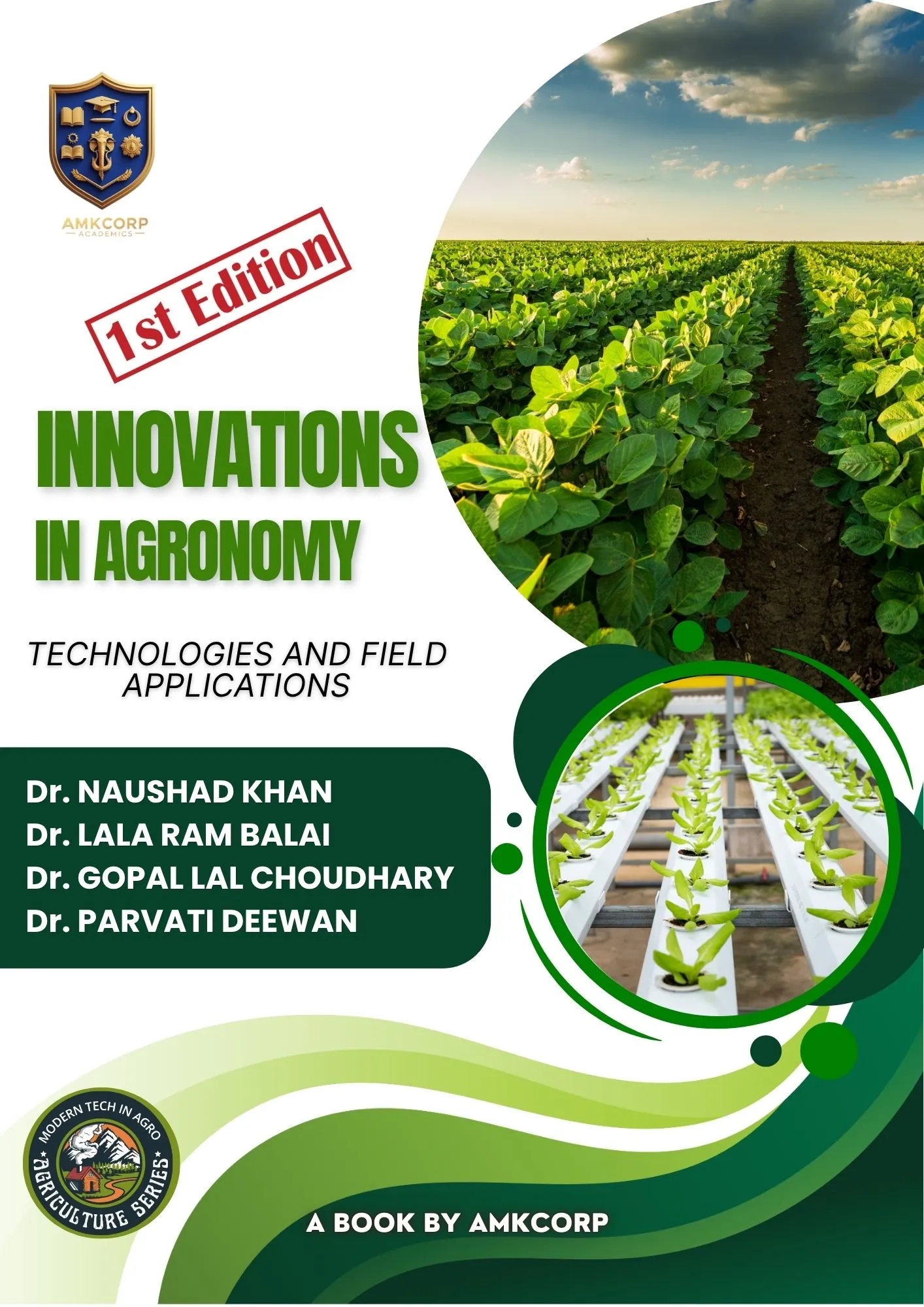
INNOVATIONS IN AGRONOMY
TECHNOLOGIES AND FIELD APPLICATIONS
AUTHOR(S) -
Dr. NAUSHAD KHAN, Dr. LALA RAM BALAI,
Dr. GOPAL LAL CHOUDHARY, Dr. PARVATI DEEWAN

DOI -10.61909/AMKEDTB042667
Genre/Subject – Agriculture, Agronomy
Book code -AMKEDTB042667
pgs: 229
ISBN(P) -978-93-6556-657-4
ISBN(E) – 978-93-6556-494-5
Published – 21/04/2026
Edition – 1
BUY PRINT

BUY EBOOK
INTRODUCTION VIDEO

AUTHORS
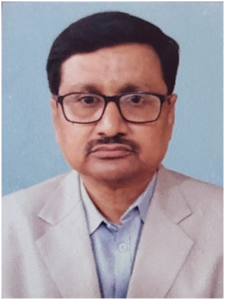
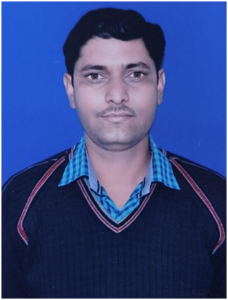
Dr. NAUSHAD KHAN
Dr. Naushad Khan is presently working as Professor (Agronomy) in the department of Agronomy, C.S. Azad University of Agriculture & Technology, Kanpur. Besides his prime work of research, he has 23 years of teaching experience at College of Agriculture Kanpur, College of Forestry Kanpur and College of Agriculture Lakhimpur. Holding his B.Sc., M.Sc., and Ph.D. degrees in Agronomy from CSAUA&T, Kanpur, where he was recognized as a University Merit Scholar. He has served as a scientist in several ICAR projects, including AICRP on Vegetables (ALCRP), Weed Control, Integrated Farming Systems, and as Principal Investigator of AICRP on Agrometeorology. He has contributed significantly to agricultural research by developing over 25 agro-techniques for vegetable and field crops. His work includes designing Integrated Farming Systems for small and marginal farmers in the Central Plain Zone and studying crop-weather relationships and agro-climatic characterization of the region. He has published 5 books, 4 practical manuals, 15 book chapters, 13 technical bulletines, 44 popular articles and more than 65 research papers in several national and international journals. He has participated in 65 national and international conference, seminar, workshop and delivered more than 20 lead and oral presentation. He has guided more than three dozen postgraduate and Ph.D. students. His contributions have been recognized with several prestigious awards, including the Dr. APJ Abdul Kalam Gold Medal, the Rajeev Gandhi Gold Medal Award by GEPRA (Chennai), the Award of Excellence (2018 & 2019) by CSAU, Kanpur, and the Best Teacher Award by the Academy for Environment and Life Sciences. He has served as Principal Investigator (PI) for several ad hoc research projects such as the National Innovation on Climate Resilient Agriculture, Innovative and Contextual Agromet Advisory Services, and Climate Smart Agriculture. Currently, he is serving as PI for the AICRP on Agrometeorology and as the Nodal Officer for the GKMS Project.
Dr. LALA RAM BALAI
Dr. Lala Ram Balai is an Assistant Professor in the Department of Agronomy at the College of Agriculture, Lalsot, Dausa, under Sri Karan Narendra Agriculture University, Jobner, Rajasthan. He earned his M.Sc. (Ag.) and Ph.D. in Agronomy from Swami Keshwanand Rajasthan Agriculture University, Bikaner, and completed his B.Sc. (Ag.) from BBD Government College, Chimanpura, Shahpura, Jaipur (affiliated with the University of Rajasthan, Jaipur).
He has qualified the ICAR–ASRB NET examination. With over 14 years of experience in teaching, research, and extension, he has developed expertise in crop production management, organic farming, and integrated nutrient management.
Dr. Balai has published extensively in reputed national and international journals and has made significant contributions to research on green gram, wheat, groundnut, and Indian mustard.
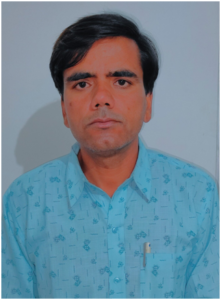
Dr. GOPAL LAL CHOUDHARY
Dr. G. L. Choudhary is currently working as Associate Professor and and Zonal Director Research, Agricultural Research Station, Navgaon, Alwar, Rajasthan He has completed his B.Sc. (Ag.) Hons. and M.Sc. (Ag.) in Agronomy from S.K.N. College of Agriculture, Jobner (Swami Keshwanand Rajasthan Agricultural University, Bikaner) and Ph.D. from Division of Agronomy, ICAR-Indian Agricultural Research Institute, New Delhi. He has been awarded Gold Medal by Swami Keshwanand Rajasthan Agricultural University, Bikaner for securing first rank during M.Sc. (Ag.) programme. He has also received DST Inspire fellowship form Department of Science and Technology, Ministry of Science and Technology, Government of India.
Dr. G.L. Choudhary has a vast experience in the field of agriculture science with specialization in Dryland Agriculture, Nutrient Management and Water Management. He has served as Assistant Professor-cum-Junior Scientists (Agronomy), PG Faculty at Bihar Agricultural University, Sabour, Bhagalpur and has involved in teaching, research, extension and training activities of the university. He has handled several research projects including in-house projects, AICRP Project, State Government Project and International Projects as Principal Investigator and Co-Principal Investigator. He has published more than 40 research papers in the journals of international and national repute. He also published one book, wrote 7 book chapters, published more than 70 popular articles for the farming community and delivered more than 25 radio talk for the farmers on various aspects of agriculture at All India Radio.
He has received “Best Popular Hindi Article Award” by ICAR-India Agricultural Research Institute, New Delhi during 2013 and awarded “Best Teacher Award” by Bihar Agricultural University, Sabour during 2023. He has done a tremendous work in the field of quality seed production at Bhola Paswan Shastri Agricultural College, Purnea, Bihar and Agriculture Research Station, Navgaon, Alwar, Rajasthan. He has attended more than 30 national and international conferences/seminars/workshops/symposia. He has involved in the development of several technologies of various crops for the farming community.
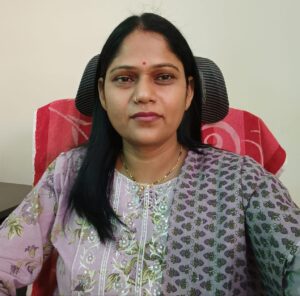
Dr. PARVATI DEEWAN
Dr. Parvati Deewan is an Assistant Professor in the Department of Agronomy at the College of Agriculture, Kotputli, under Sri Karan Narendra Agriculture University, Jobner, Rajasthan. She earned her Ph.D. in Agronomy from MPUAT, Udaipur, Rajasthan. She completed her M.Sc. (Ag.) in Agronomy from Anand Agricultural University (AAU), Anand, Gujarat, and her B.Sc. (Ag.) from Rajasthan Agricultural University, Bikaner, Rajasthan. She has qualified the ICAR-ASRB NET examination and has over 13.5 years of experience in research, teaching, and extension. She has extensive experience in conducting experiments under AICRP on Seed Spices, AICRP on Rapeseed-Mustard, and AINRP on Onion.
Dr. Deewan has received several awards at conferences, seminars, and workshops. She has been honored with the Young Scientist Award, Best Poster Award, Ph.D. Merit Award, Junior Research Fellowship (JRF), and Best Centre Performance Award in Rapeseed-Mustard. She has developed new technologies that have been recommended at both national and state levels for farmers. She has published more than 100 research papers, abstracts, popular articles, book chapters, and technical bulletins etc. in reputed national and international journals.
ABOUT BOOK / ABSTRACT
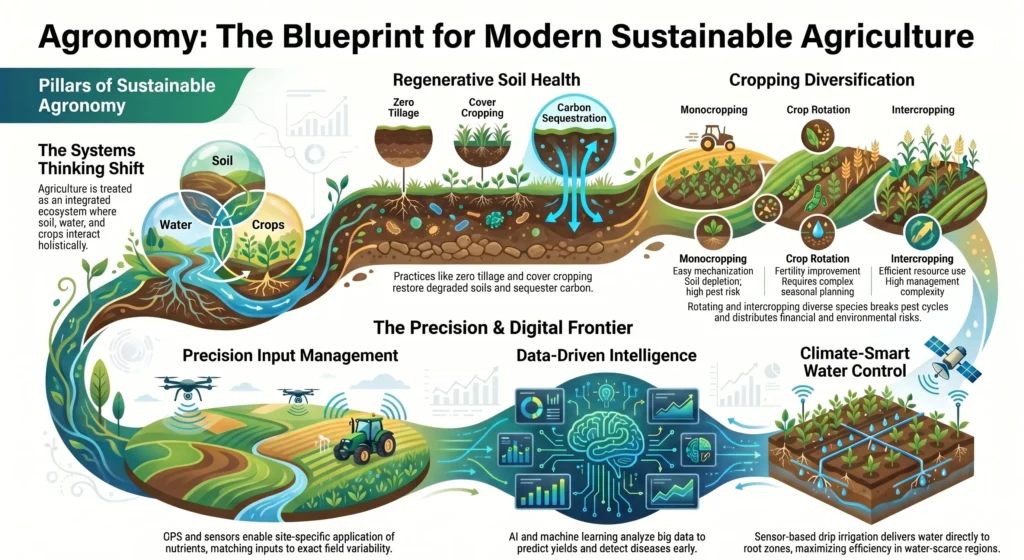
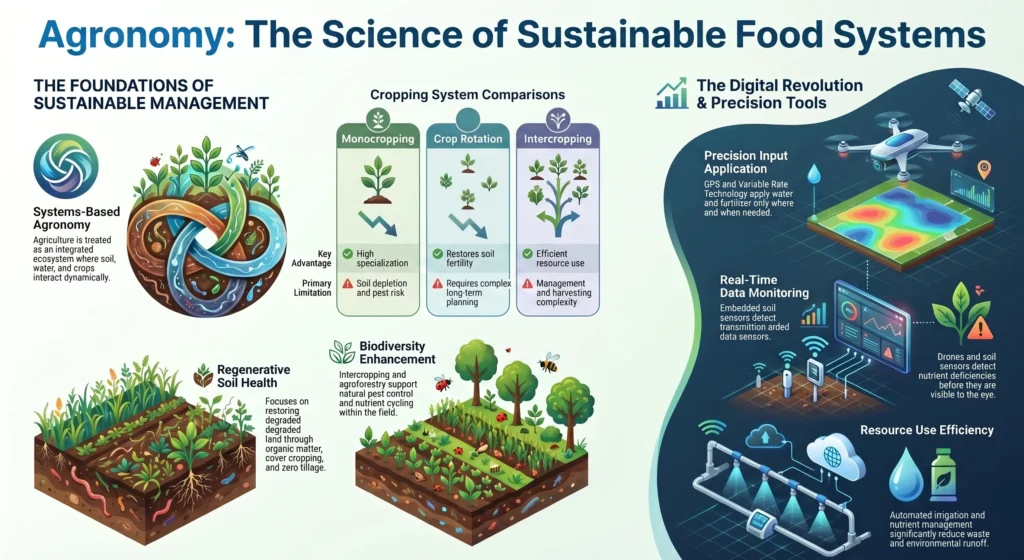
Innovations in Agronomy: Technologies and Field Applications is a comprehensive and forward-looking resource that bridges the gap between traditional agricultural practices and modern technological advancements. This book is designed to serve students, researchers, agricultural professionals, and progressive farmers who seek to understand the evolving landscape of agronomy in the 21st century. It provides a holistic overview of core agronomic principles while integrating cutting-edge innovations that are shaping the future of sustainable agriculture.
Agriculture today faces unprecedented challenges, including climate change, soil degradation, water scarcity, and the need to feed a rapidly growing global population. In response, agronomy has transformed into a dynamic and interdisciplinary field that incorporates scientific research, digital technologies, and sustainable practices. This book explores these transformations in detail, offering insights into how innovative solutions can enhance productivity, improve resource efficiency, and ensure environmental sustainability.
Beginning with the fundamentals of agronomy, the book lays a strong foundation in cropping systems, agro-climatic considerations, and sustainable agricultural practices. It then delves into critical aspects such as soil health, crop production technologies, irrigation management, and nutrient optimization. Each chapter emphasizes both theoretical understanding and practical applications, making the content highly relevant for real-world implementation.
A key highlight of this book is its focus on emerging technologies such as precision agriculture, artificial intelligence, biotechnology, and nanotechnology. These advancements are revolutionizing farming by enabling data-driven decision-making, improving crop resilience, and reducing environmental impact. The book also addresses integrated approaches to pest, disease, and weed management, promoting eco-friendly and sustainable solutions.
Furthermore, the text underscores the importance of climate-smart agriculture and conservation practices that contribute to long-term agricultural sustainability. By combining scientific knowledge with innovative tools and strategies, this book equips readers with the skills and insights needed to adapt to changing agricultural scenarios.
Overall, Innovations in Agronomy serves as a valuable guide for anyone interested in modern agriculture. It not only enhances understanding of agronomic principles but also inspires the adoption of innovative practices that can lead to a more productive, resilient, and sustainable farming future.
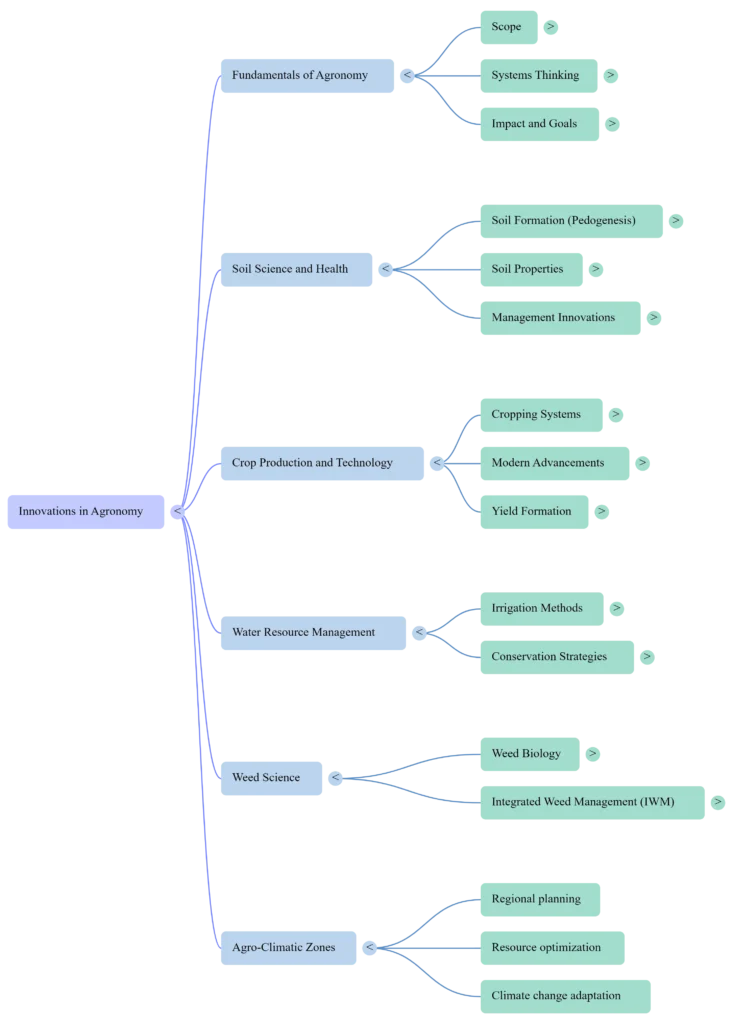
BOOK MAP
CHAPTERS
Chapter 1: Fundamentals of Agronomy and Modern Agriculture
Covers the basic concepts of agronomy, including cropping systems, agro-climatic zones, and the role of agronomy in sustainable farming. It introduces modern trends shaping agricultural practices.
Chapter 2: Soil Science and Soil Health Management
Explores soil formation, classification, and properties. Focuses on soil fertility, health indicators, and innovative techniques to maintain and improve soil quality.
Chapter 3: Crop Production and Management Technologies
Discusses principles of crop production, seed technologies, growth stages, and precision farming techniques, along with the role of mechanization in agriculture.
Chapter 4: Irrigation and Water Resource Management
Highlights the importance of water in agriculture, covering irrigation methods, micro-irrigation systems, and strategies for water conservation and efficient usage.
Chapter 5: Nutrient Management and Fertilizer Innovations
Examines essential nutrients, fertilizer types, and integrated nutrient management approaches, including biofertilizers and emerging nanotechnology applications.
Chapter 6: Weed Science and Integrated Weed Management
Focuses on weed biology, crop-weed competition, and various control methods. It also addresses herbicide resistance and innovative weed management solutions.
Chapter 7: Pest and Disease Management in Agronomy
Covers major crop pests and diseases, emphasizing integrated pest management (IPM), biological control, and eco-friendly pest control technologies.
Chapter 8: Climate-Smart Agriculture and Sustainability
Discusses the impact of climate change on agriculture and introduces climate-smart practices, conservation agriculture, and sustainable farming systems.
Chapter 9: Agricultural Biotechnology and Breeding Innovations
Explores plant breeding, genetic improvement, biotechnology applications, GM crops, and modern genomic tools like marker-assisted selection.
Chapter 10: Digital Agriculture and Future Technologies
Highlights advancements such as precision farming, drones, AI, IoT, and future innovations that are transforming agriculture into a smart and data-driven industry.