₹ 999.00
$99.00
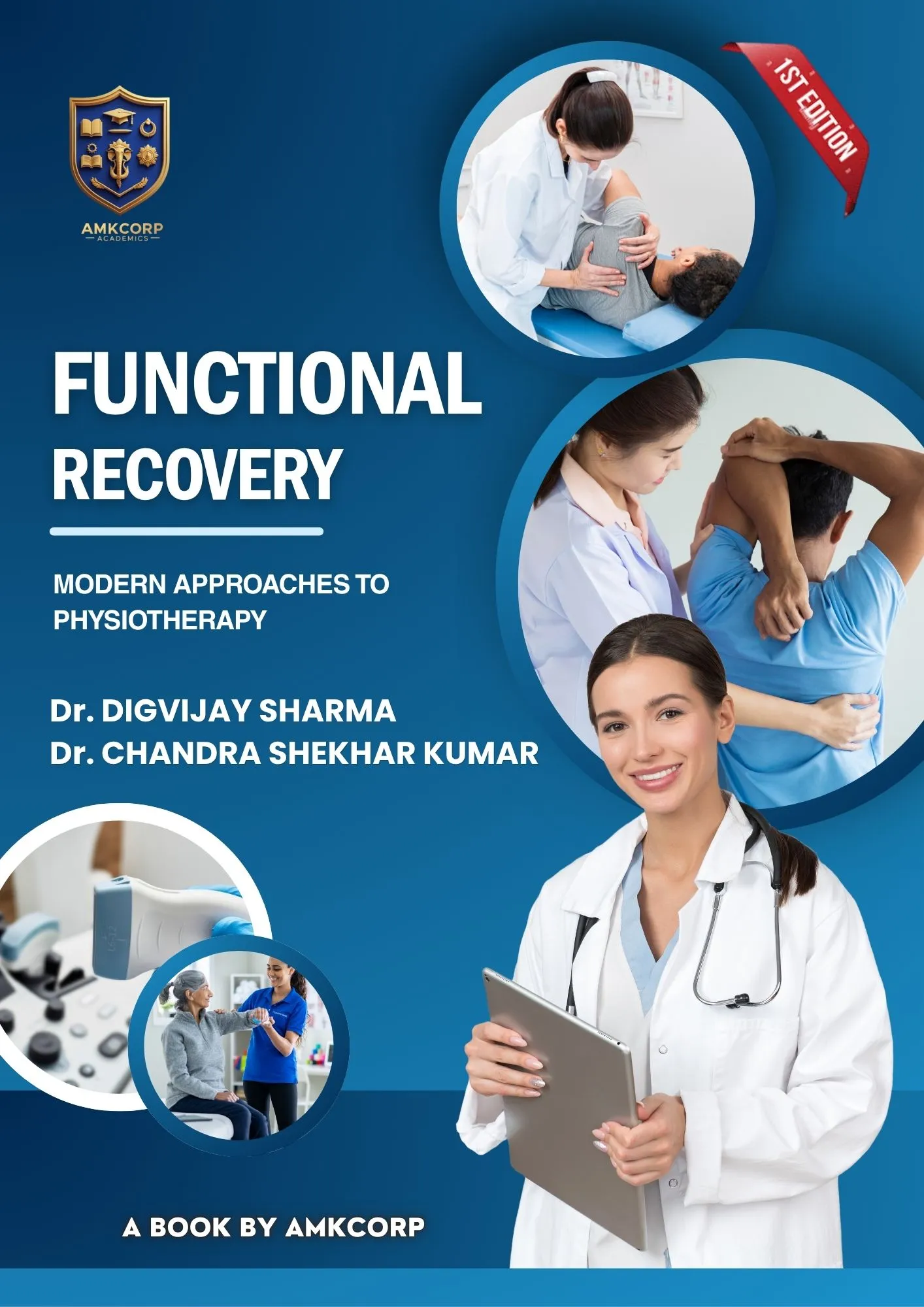
FUNCTIONAL RECOVERY
MODERN APPROACHES TO PHYSIOTHERAPY
AUTHOR(S) -
Dr. DIGVIJAY SHARMA, Dr. CHANDRA SHEKHAR KUMAR

DOI -10.61909/AMKEDTB042669
Genre/Subject – Physiotherapy
Book code -AMKEDTB042669
pgs: 206
ISBN(P) -978-93-6556-843-1
ISBN(E) – 978-93-6556-399-3
Published – 25/04/2026
Edition – 1
BUY PRINT

BUY EBOOK
INTRODUCTION VIDEO

AUTHORS
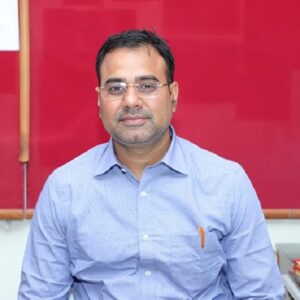
Dr. DIGVIJAY SHARMA
Dr. Digvijay Sharma is a distinguished academician holding a Doctor of Philosophy (Ph.D.) in Physiotherapy. He is currently serving as an Associate Professor in the School of Health Sciences at Chhatrapati Shahu Ji Maharaj University (CSJM University), Kanpur. In addition, he is working as the Associate Dean (Administration) at CSJM University.
Dr. Sharma has held several important administrative positions during his career, including Director, Assistant Director, and In-charge, reflecting his strong leadership and organizational abilities.
He is actively involved in research supervision, with seven scholars currently pursuing Ph.D. and Master’s research under his guidance. He is frequently invited as an external examiner for undergraduate and postgraduate practical examinations across various government and private institutions. He also contributes as a question paper setter and answer sheet evaluator for multiple universities and colleges.
With an excellent academic record, Dr. Sharma is widely appreciated for his engaging and effective teaching style, making him highly popular among students. He has over 18 years of teaching experience at both undergraduate and postgraduate levels in the field of Physiotherapy.
Dr. Sharma has actively participated in numerous international, national, and state-level conferences. His scholarly contributions are reflected through publications in reputed national and international peer-reviewed journals.
A multifaceted personality, Dr. Sharma is recognized as a dedicated academician, inspiring teacher, skilled administrator, and active social contributor in the field of physiotherapy.

Dr. CHANDRA SHEKHAR KUMAR
Dr. Chandra Shekhar Kumar (PT) is an experienced musculoskeletal physiotherapist and committed educator with over 19 years of teaching experience. Currently serving as an Assistant Professor in School of Health Sciences at Chhatrapati Shahu Ji Maharaj University, Kanpur, he specializes in the assessment and treatment of musculoskeletal and orthopaedic conditions, including sports injuries, joint dysfunctions, chronic pain disorders, and post-operative rehabilitation.
His areas of expertise include manual therapy, biomechanical assessment, evidence-based rehabilitation, and the application of emerging technologies in physiotherapy practice. He has made significant academic contributions, with over 20 research publications in reputed journals and multiple presentations at both national and international conferences.
Dr. Kumar is also a dedicated mentor who has successfully guided numerous postgraduate students in their academic and research work. Through his innovative treatment strategies and commitment to best clinical practices, he continues to improve patient outcomes and motivate aspiring physiotherapy professionals.
ABOUT BOOK / ABSTRACT
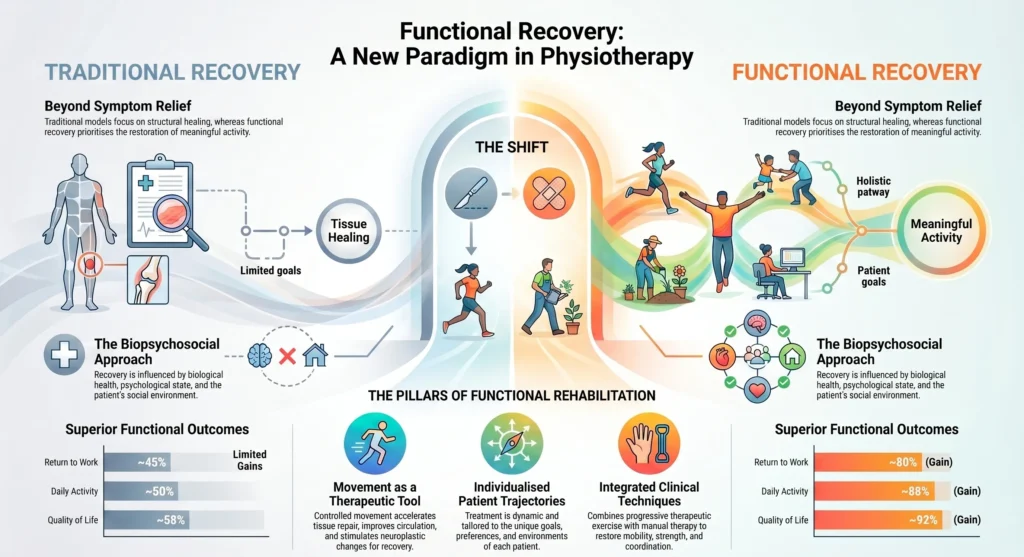
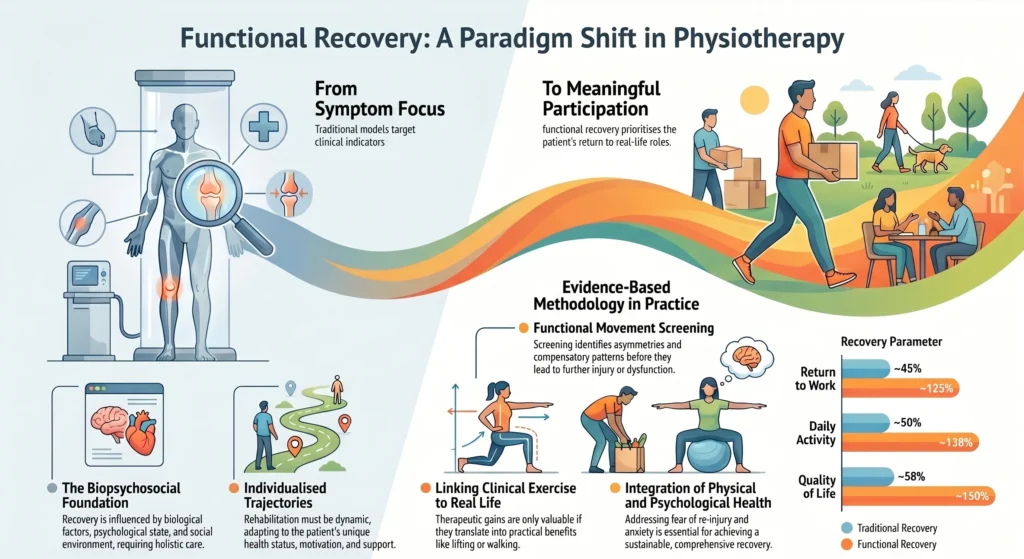
Functional Recovery: Modern Approaches to Physiotherapy is a comprehensive and forward-thinking guide designed to bridge the gap between traditional rehabilitation practices and modern therapeutic advancements. The book explores the evolving landscape of physiotherapy, emphasizing a functional, patient-centered approach that focuses not just on healing injuries but on restoring optimal movement, independence, and quality of life. It is crafted for students, practitioners, and healthcare professionals who seek a deeper understanding of how contemporary physiotherapy techniques can be applied effectively in real-world clinical settings.
The foundation of this book lies in the concept that recovery is not merely the absence of pain or disease, but the restoration of meaningful physical function. It highlights how movement plays a central role in health and rehabilitation, integrating scientific principles with practical applications. The content reflects the growing importance of evidence-based practice, ensuring that every technique and approach discussed is grounded in current research and clinical relevance.
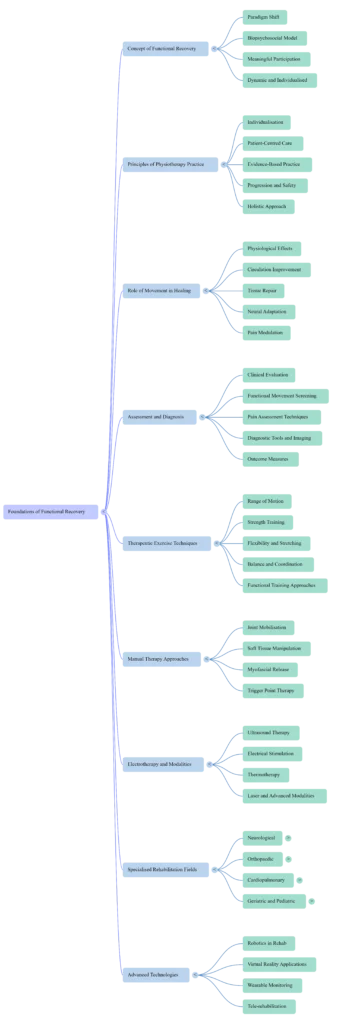
Throughout the book, readers are introduced to a wide range of therapeutic strategies, from manual therapy and exercise prescription to advanced technologies such as virtual rehabilitation and wearable monitoring systems. Each chapter is structured to build a logical progression of knowledge, starting with fundamental concepts and advancing toward specialized areas such as neurological, orthopedic, and cardiopulmonary rehabilitation. This ensures that readers not only understand the theory behind functional recovery but also gain the skills needed to apply it effectively.
A key strength of this book is its holistic perspective. It acknowledges that recovery is influenced by physical, psychological, and social factors, and therefore promotes a multidisciplinary approach to care. By incorporating patient education, ethical considerations, and future trends in physiotherapy, the book prepares readers to adapt to the rapidly changing healthcare environment.
In addition, the book addresses the needs of diverse populations, including children, elderly individuals, and patients with chronic conditions. It emphasizes individualized care plans that respect patient goals, abilities, and lifestyles. The integration of modern tools and technologies further enhances the scope of rehabilitation, making treatment more accessible, efficient, and outcome-oriented.
Functional Recovery: Modern Approaches to Physiotherapy ultimately serves as both an academic resource and a practical guide. It inspires readers to think critically, act compassionately, and embrace innovation in their practice. By focusing on functional outcomes and long-term well-being, this book contributes to the advancement of physiotherapy as a dynamic and impactful healthcare profession.
BOOK MAP
CHAPTERS
Chapter 1:
Introduces the core concepts of functional recovery and highlights the importance of patient-centered and evidence-based physiotherapy practices.
Chapter 2:
Explains the structure and function of the human body with a focus on biomechanics, helping readers understand movement and posture.
Chapter 3:
Covers essential assessment techniques used in physiotherapy, including clinical evaluation and functional movement analysis.
Chapter 4:
Focuses on therapeutic exercises designed to improve strength, flexibility, balance, and overall functional performance.
Chapter 5:
Discusses hands-on manual therapy techniques used to relieve pain, improve mobility, and enhance tissue function.
Chapter 6:
Explores electrotherapy and physical modalities that support pain relief, tissue healing, and rehabilitation outcomes.
Chapter 7:
Addresses rehabilitation strategies for neurological conditions, emphasizing recovery through neuroplasticity and functional training.
Chapter 8:
Covers orthopedic rehabilitation methods for injuries, surgeries, and chronic musculoskeletal conditions.
Chapter 9:
Focuses on improving cardiovascular and respiratory health through physiotherapy interventions and exercise programs.
Chapter 10:
Highlights specialized physiotherapy approaches for elderly and pediatric populations with unique functional needs.
Chapter 11:
Introduces modern technologies transforming physiotherapy, including robotics, virtual reality, and digital health tools.
Chapter 12:
Discusses professional practice, ethics, and future trends, preparing readers for evolving roles in physiotherapy.