₹ 999.00
$99.00
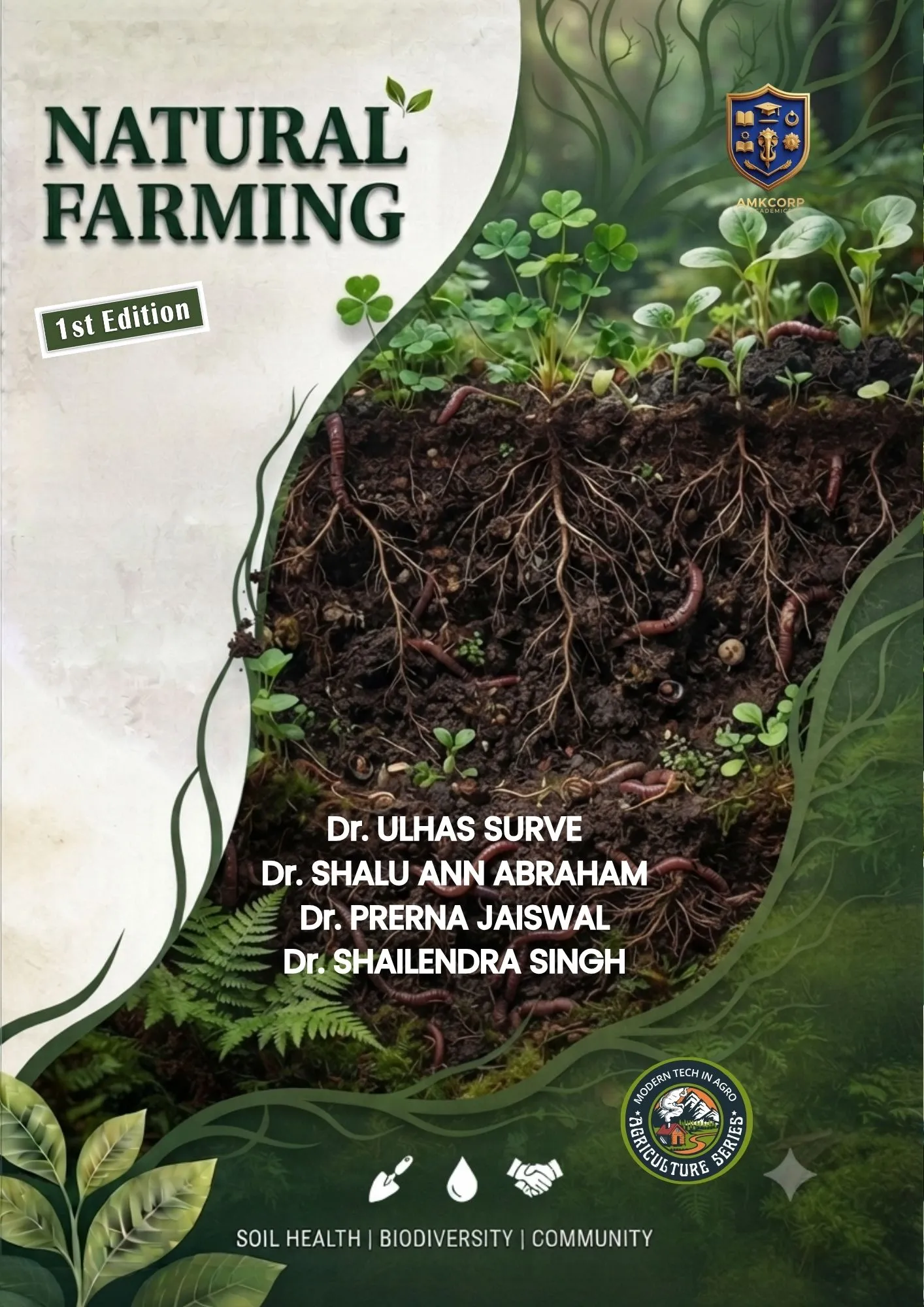
NATURAL FARMING
AUTHOR(S) -
Dr. ULHAS SURVE
Dr. SHALU ANN ABRAHAM
Dr. PRERNA JAISWAL
Dr. SHAILENDRA SINGH

DOI – 10.61909/AMKEDTB092690
Genre/Subject – Agriculture, Farming, Plant Science
Book code – AMKEDTB092690 pgs: 200
ISBN(P) -978-93-6556-031-2
ISBN(E) – 978-93-6556-032-9
Published – 11/09/2026
Edition – 1
BUY PRINT

BUY EBOOK
INTRODUCTION VIDEO
AUTHORS
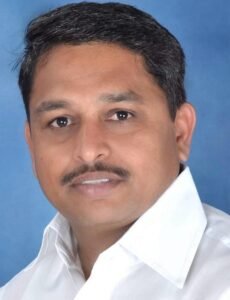
Dr. ULHAS SURVE
Dr. Ulhas Shantaram Surve presently working as Professor, Department of Agronomy, Post Graduate Institute additionally shouldering responsibilities of Chief Agronomist, All India Coordinated Project on Integrated Farming System, Nodal Officer, Organic Farming Research and Training Centre and Farm In charge Climate Smart Block, Centre for Advance Agriculture Science and Technology on “Climate Smart Agriculture and Water Management” (CAAST-CSAWM). He is having more than 20 years’ experience in teaching to UG, PG in Agronomy and Irrigation Water Management and Ph.D. students in Agronomy.
Since 2010 to till date he is working in department of Agronomy, Post Graduate Institute to teach M. Sc. (Agri.) and Ph. D. students in Agronomy. He has guided 3 M. Sc. (Agri.) students in Irrigation Water Management as well as 21 M. Sc. (Agri.) and 10 Ph. D. students in Agronomy. He has published 86 research papers, 25 technical papers, 57 popular papers, five books and four booklets. He participated in 05 short training courses, 02 winter schools and 11 seminars and workshops. He organized 2 certificate courses and 4 workshops.
He is Principal Investigator of two projects namely natural farming (5cr) and Pilot Project on Crop Diversification (1.19cr) and Co-Principal Investigator of 5 projects viz., Organic farming (5cr), CAAST-CSAWM (19.90cr), ICAR-Farmers First project (1.15cr), Drone project for standarzation of inputs (21 lakh) and Watershed management project (80 lakh).
He received 9 awards among that Best PG Teacher Award of University-2022, Best Citizens of India Award, Young Scientist Award, Outstanding Scientist Award, Krishi Ratna Award, Dr.M.S.Swaminathan Memorial Award etc. He has delivered the more than 300 lectures to farmers/ officers on organic farming, Integrated Farming System, conservation Agriculture, Micro irrigation, Fertigation, Crop Diversification and Organic farming.
He acts as Course Director for three weeks certificate courses on Climate Smart Organic Farming and Integrated Farming System for Sustainable Agriculture. Under crop diversification project 100 ha crop demonstration completed in Ahmednagar, Pune, Sangli and Solapur. Established Organic farming research and training centre and Climate Smart Block at Central Campus.
Content developer for 22 Agronomical crops mobile apps in Marathi and English language, One copy right, 11recommendation and 110 Product testing trials on biostimulant, herbicides and water soluble fertilizers. He attended one workshop at Benin during 2022 and one month training on climate smart agriculture at AIT Bangkok, Thailand during 2023.
Major contribution in establishment of one hectare Integrated farming system model for small and marginal farmers, Organic farming project, Climate smart block of CAAST-CSAWM, MPKV, Rahuri.

Dr. SHALU ANN ABRAHAM
Dr. Shalu Ann Abraham serves as a Subject Matter Specialist (Agronomy) at Krishi Vigyan Kendra, Gariyaband, Chhattisgarh. With almost 12 years of experience in agricultural research and extension, she has been actively involved in technology assessment, refinement and dissemination through On- farm Trials, Frontline Demonstrations, Farmer trainings and capacity building programmes. Her areas of expertise include Natural Farming, Sustainable Crop Production, Integrated Nutrient and Weed management, Climate Resilient Agriculture and Agricultural extension. She has authored research publications, extension publications and deliveredRadio and TV talks aimed at promoting scientific farming practices.She has received the Award of Excellence from the District Collector. Through her research and outreach activities, she remains committed to advancing sustainable agriculture and improving farmers’ livelihoods.

Dr. PRERNA JAISWAL
Dr. Prerna Jaiswal is an academic and researcher in the field of Agronomy, with a strong academic background and research interests in sustainable and resource-efficient agricultural practices. She completed her Ph.D. in Agronomy from Indira Gandhi Krishi Vishwavidyalaya, Raipur, Chhattisgarh, and has developed her academic and research expertise through active engagement in teaching, research, conferences, workshops and professional training programmes.
She has qualified the ICAR-ASRB National Eligibility Test (NET) twice, reflecting her strong academic foundation and subject expertise in Agronomy. Her research contributions include publications in the form of research papers, scientific articles, short communications and abstracts, contributing to the broader body of knowledge in agricultural sciences.
Her major areas of academic and research interest include Integrated Nutrient Management, Resource Conservation Technologies, Organic Farming and Natural Farming. Her work and interests particularly focus on approaches that promote efficient utilization of agricultural resources, sustainable nutrient management and environmentally conscious farming systems.
Dr. Jaiswal has actively participated in various national and academic conferences, workshops and training programmes, providing opportunities for professional development and interaction with researchers and agricultural scientists working across different areas of Agronomy.
Currently associated with the Department of Agronomy as a Guest Lecturer, she continues to contribute to academic activities and the dissemination of knowledge in agricultural sciences. Her academic interests in sustainable agriculture, organic farming and natural farming reflect the growing importance of environmentally sustainable and resource-efficient approaches for modern agricultural production.
With her background in Agronomy, research experience and interest in sustainable farming systems, Dr. Prerna Jaiswal contributes to academic literature and knowledge dissemination in the field of agricultural sciences.
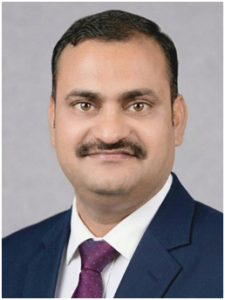
Dr. SHAILENDRA SINGH
Dr. Shailendra Singh brings over ten years of specialized research in climate-smart farming and crop agronomy to this volume. Currently serving as an Assistant Professor of Agronomy at SKNAU, Jobner, he is deeply committed to both agricultural innovation and education. Dr. Singh earned his Ph.D. from MPUAT, Udaipur, and has shaped postgraduate research as a mentor to numerous Master’s and Ph.D. scholars. An accomplished researcher with numerous peer-reviewed publications, he actively contributes to developing modern agricultural curricula and teaching methodologies.
ABOUT BOOK / ABSTRACT
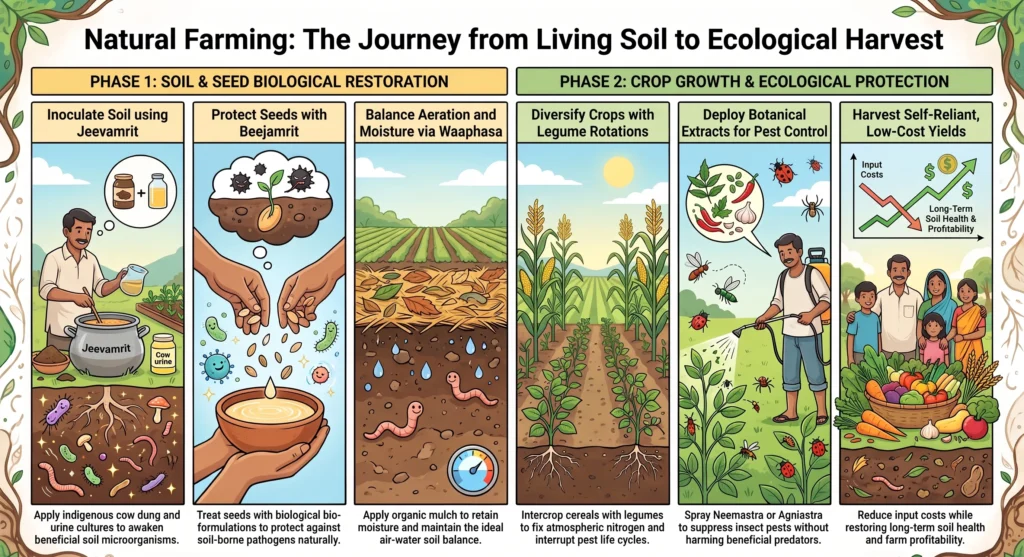
Natural Farming is a comprehensive guide authored by Dr. Ulhas Surve, Dr. Shalu Ann Abraham, Dr. Prerna Jaiswal, and Dr. Shailendra Singh. It presents natural farming as a complete ecological approach that works in harmony with nature rather than against it.
The book explains the philosophy, principles, and practical techniques of natural farming. It covers soil health as a living ecosystem, indigenous bio-formulations (such as Beejamrit and Jeevamrit), crop production methods, ecological plant protection, integration of indigenous cows and livestock, farm planning, economics, research and extension, and future prospects including climate resilience.
It contrasts natural farming with organic and conventional systems, emphasizing low external inputs, biodiversity, nutrient recycling, self-reliance, and long-term sustainability. The content is practical, scientific, and rooted in traditional Indian agricultural wisdom, making it useful for farmers, students, researchers, extension workers, and policymakers seeking environmentally sound and economically viable alternatives to chemical-intensive agriculture.
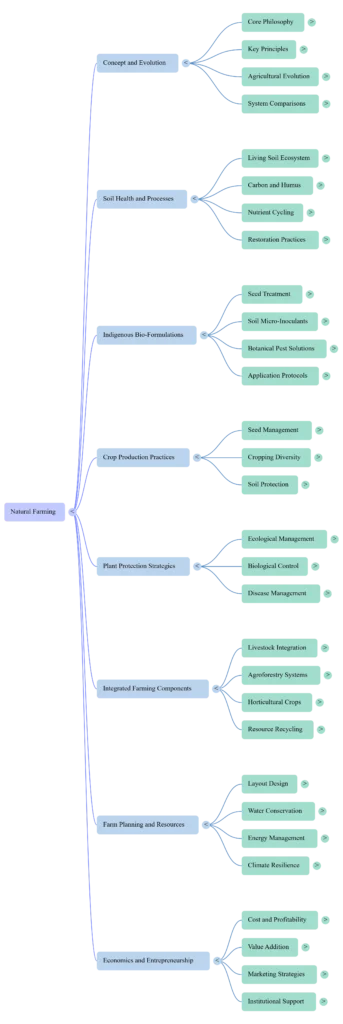
BOOK MAP
CHAPTERS
Chapter 1: Concept and Evolution of Natural Farming
Explains the meaning, philosophy, and core principles of natural farming as farming in harmony with nature using minimal external inputs and local resources. Traces the historical evolution of farming systems from hunting-gathering to the Green Revolution and positions natural farming as a sustainable alternative.
Chapter 2: Soil Health and Biological Processes
Describes soil as a living ecosystem rich in microorganisms, earthworms, and organic matter that drives fertility and plant growth. Covers soil organic carbon, humus, nutrient cycling, and practical restoration methods such as mulching, reduced tillage, and microbial stimulation.
Chapter 3: Indigenous Inputs and Bio-Formulations
Details key farm-made preparations like Beejamrit for seed treatment and other bio-formulations prepared from cow dung, urine, and local materials. Emphasizes their role in enhancing microbial activity, seed health, and soil fertility without synthetic chemicals.
Chapter 4: Crop Production Practices
Focuses on seed selection, treatment with indigenous formulations, and overall crop management under natural farming principles. Highlights methods that promote strong germination, root development, and efficient resource use through ecological practices.
Chapter 5: Plant Protection Strategies
Presents ecological pest management that relies on biodiversity, natural enemies, and botanical preparations instead of synthetic pesticides. Stresses prevention of pest outbreaks by maintaining ecosystem balance and plant health.
Chapter 6: Integrated Farming Components
Highlights the central role of the indigenous cow as a source of dung, urine, and microbial inputs that support soil fertility and nutrient recycling. Discusses integration of livestock, crops, and other farm elements for a self-sustaining system.
Chapter 7: Farm Planning and Resource Management
Covers efficient farm layout, design, and resource allocation to maximize biological cycling of nutrients, water, and biomass. Emphasizes ecological planning that integrates land, water, livestock, and crops while minimizing waste and external dependence.
Chapter 8: Economics and Entrepreneurship
Analyzes cost of cultivation under natural farming, showing how reduced input costs improve profitability and financial resilience. Explores entrepreneurial opportunities arising from low-cost, self-reliant production systems.
Chapter 9: Research, Extension and Adoption
Discusses the need for scientific research that validates traditional practices and supports large-scale adoption of natural farming. Covers extension strategies to transfer knowledge and build farmer confidence through evidence-based approaches.
Chapter 10: Emerging Trends and Future Prospects
Examines the role of natural farming in addressing climate change through enhanced ecological resilience, carbon sequestration, and resource conservation. Outlines future directions for sustainable agriculture in the face of environmental challenges.