₹ 999.00
$99.00
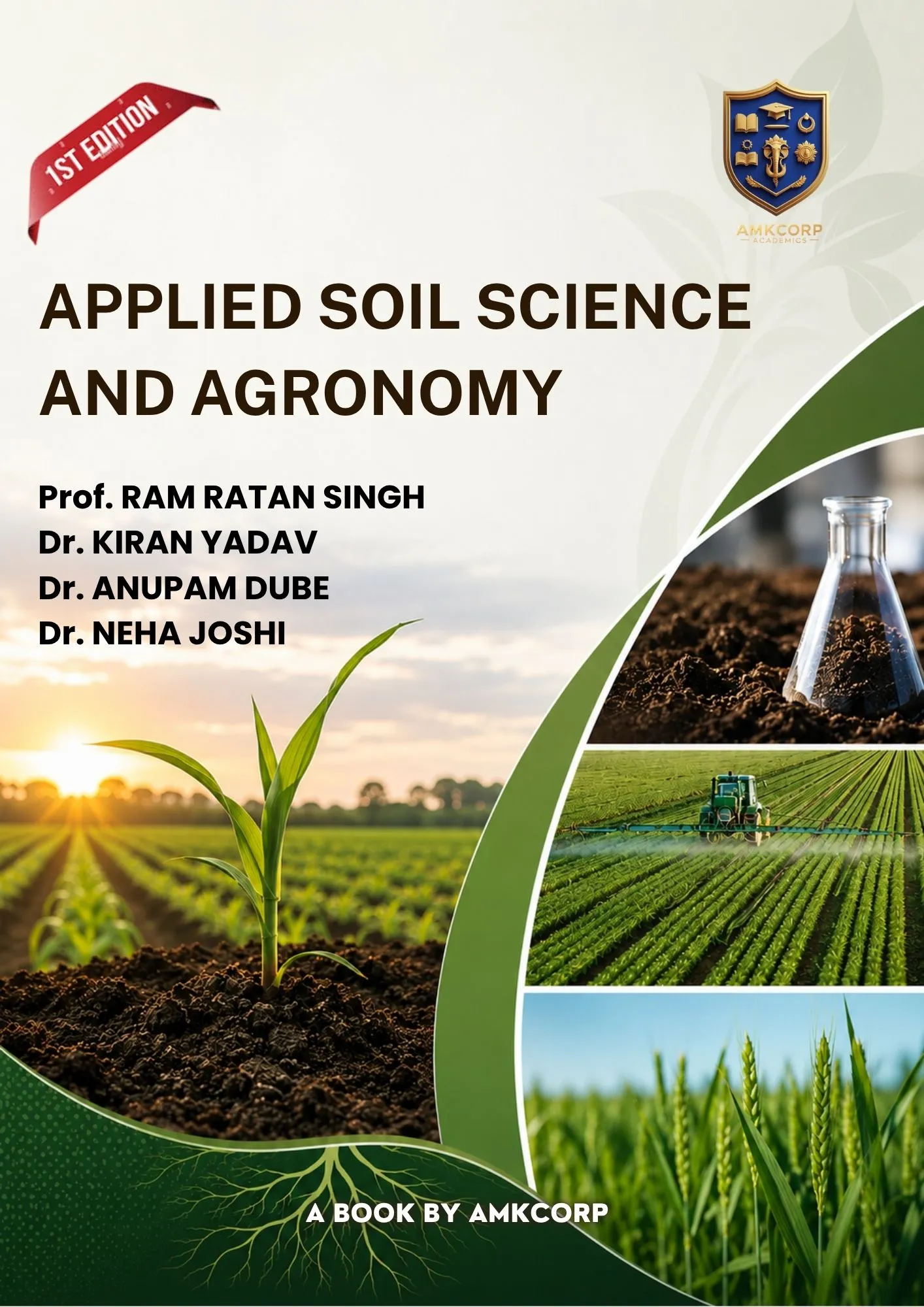
APPLIED SOIL SCIENCE AND AGRONOMY
AUTHOR(S) -
Prof. RAM RATAN SINGH, Dr. KIRAN YADAV,
Dr. ANUPAM DUBE, Dr. NEHA JOSHI

DOI-10.61909/AMKEDTB052675
Genre/Subject – Agriculture, Agronomy, Soil Science.
Book code -AMKEDTB052675
pgs: 218
ISBN(P) -978-93-6556-005-3
ISBN(E) – 978-93-6556-004-6
Published – 25/05/2026
Edition – 1
BUY PRINT

BUY EBOOK
INTRODUCTION VIDEO
AUTHORS
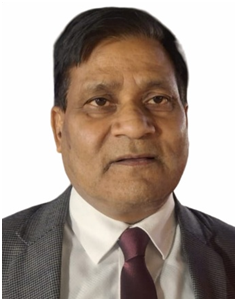
Prof. RAM RATAN SINGH
It is a great pleasure to Prof. Ram Ratan Singh, Ex-Director Extension and Prof. Soil Science and Agriculture Chemistry, Acharya Narendra Deva University of Agriculture & Technology, Kumarganj, Ayodhya presently joined as Director/ Emeritus Prof. In charge of the Institute of Agriculture and Natural Sciences (IANS) at Deen Dayal Gorakhpue University, Gorakhpur. Dr. Singh was born on 1st January 1963 in Samadipur Village, block Koilsa, Tahshil Buranpur, District Azamgarh of Uttar Pradesh. He obtained his Bachelor of Science in Agriculture from Udai Pratap College, Varanasi, M.Sc. (Ag) and Ph. D. Degrees in Agriculture Chemistry and Soil Science from Raja Balawant Singh College, Bichpuri, Agra University, Agra. He is associated with the Ganga Action Plan monitoring Project at CSIR-IITR, Lucknow and also associated with National Projects i.e. Safe drinking water mission project for Drinking water quality assessment for physico-chemical, heavy metal, pesticide and bacteriological contamination of North & North East India in the district Mirzapur, U.P., West khasi Hills district, Meghalya, Aizwal district, Mizoram, Medinapur district ,West Bangal, Kangara district Himanchal Pradesh, Udhampur district J & K, North district Tripura, Leh district J & K along with Yamuna Bio monitoring Project, Heavy Metal Project etc. and Team Member of patent work for Assessment & Refinement of a portable water analysis kit(Patent No.179957), ITRC Amrit Kumbh(Patent No. 184091) and ITRC Mobile water testing Laboratory (Patent No. 177443) during his stay at IITR. Then he joined in July 1989 as Jr. Scientist/ Asstt. Prof. at RRS, Dumaka, Birsa Agriculture University, Ranchi and the associated Nonihat Watershed and Jal Hai to Jan Hai projects with the collaboration of Bihar Govt. and from May 1992, he worked at ANDUAT, Kumarganj, Ayodhya and retired on 30th June 2025 then joind at praseant post after retirment. He served in KGKs Gorakhpur, Azamgarh, Jaunpur, ZRS, Basuli Maharajganj, KVK Ballia and Barabanki centers of the University for Transfer of Technology. He has been associated as Team leader/Facilitator for Preparation of Strategic Research and Extension Plan (SREP) of district Baharaich/ Srawasti, Gorakhpur, Maharajganj, Kushinagar, Ballia etc. under the World Bank added UPDASP and ATMA, Project, evaluation of 24 IWMP projects in 10 districts of eastern U.P. and also prepare the 5 project DPR of P. M Kisan Sichai Yojana-2.0 for the unit of Deoria, Kushinagar, Azamgarh and Pratapgarh. Member of Expert Examiner in Uttar Pradesh Madhyamik Shikchha Seva Chayan Board and Board of Studies Chatrapati Shahu Ji Maharaj University, Kanpur and Lucknow University, Lucknow. He has guided 01 Ph. D. and 11 M.Sc. (Ag) scalars along with 64 scholarly publications in recognized professional and/or academic journals, 75 Articles in popular magazines, 43 Participation and scholarly presentations in conferences, 566 Plenary Lectures/Invited Talks (including Radio and TV Talks), 04 Congresses attended and 37 Examiner ship. He also authored 05 books, 04 book Chapter and edited the Annual Report of the University from 2009-10, 13th, 14th, 15th, 16th,17th, 18th , 19th , 20th, 21st, 22nd, 23rd & 24th Convocation Souvenir and other publication publish on these occasions along with arrangements of Gold medals and gowns etc., Abstracts & Souvenir with the Responsibility of Organizing Secretary in AEB Seminor and as Convener of First UP Agriculture Science Congress 2013, Purwancha Kheti Monthly Farmers Patrika and Peer reviewer for: Journal of Experimental Agriculture International 2020. He has operated 15 External Funded Projects more than 86 Crores and 14Honors/Awards and Recognitions & Fellowships for Outstanding Work.
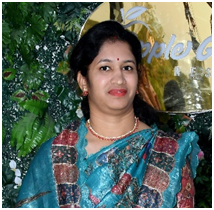
Dr. KIRAN YADAV
Dr. Kiran Yadav is working as an Assistant Professor at College of Agriculture, Lalsot-Dausa, Rajasthan. She has completed her B.Sc. (Hons.) Ag. and M.Sc. (Ag.) in Soil Science from S.K.N. Agriculture University, Jobner and Ph.D. (Soil Science & Ag. Chemistry) from Junagadh Agricultural University, Junagadh-Gujarat. She has been awarded Gold Medal for securing first rank during M.Sc. (Ag.) programme. She has qualified ASRB- NET for 3 times and also received ICAR- SRF fellowship during her Ph.D. programme. Dr. Yadav has been published several research papers and articles in reputed national and international journals.
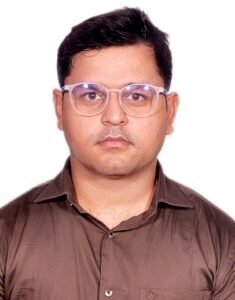
Dr. ANUPAM DUBE
Dr. Anupam Dube is presently working as an Assistant Professor of Soil Science in the Department of Soil Science, Institute of agricultural & Natural Science, Deen Dyal Upadhyay Gorakhpur University, Gorakhpur Uttar Pradesh, India. Dr. Dube completed his Ph.D. in Soil Science at the Department of Soil Science, Dr. Rajendra Prasad Central Agricultural University, Pusa, Samastipur, Bihar, India. He has completed his M.Sc. (Soil Science & Agri Chemistry) from Banaras Hindu University and his B.Sc. (Hons.) in Agriculture from Banaras Hindu University, Uttar Pradesh. He has qualified for UGC- JRF,NET, ICAR-JRF, ICAR-SRF, and ASRB-NET and has attended international and national conferences and trainings. He has published two books, 7 book chapters, 14 research articles.
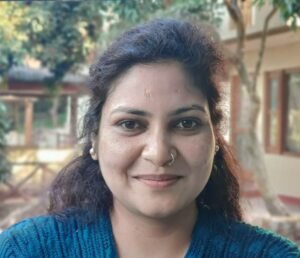
Dr. NEHA JOSHI
Dr. Neha joshi is assistant professor of agronomy under faculty of Agriculture and Agro-Forestry, DSB campus, Kumaun University Nainital. She has completed graduation from G.B.P.U. A &T , Pantnagar, post graduation from UAS, Dharwad, Karnataka and post doctorate from NAU, Navasari, Gujarat. She is an enthusiast and dedicated researcher having practical knowledge about precision, smart and sustainable farming with more than five years of experience studying agriculture practices and farm challenges. She aims to empower the reader through information and easy to understand writing. She has more than ten papers in national and international journals. She also received awards in national and international conferences.
ABOUT BOOK / ABSTRACT
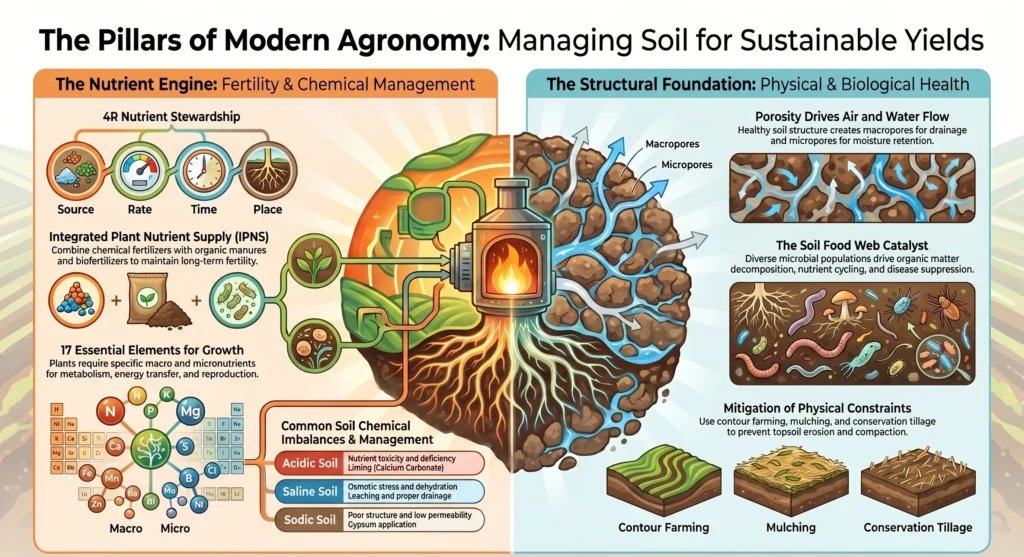
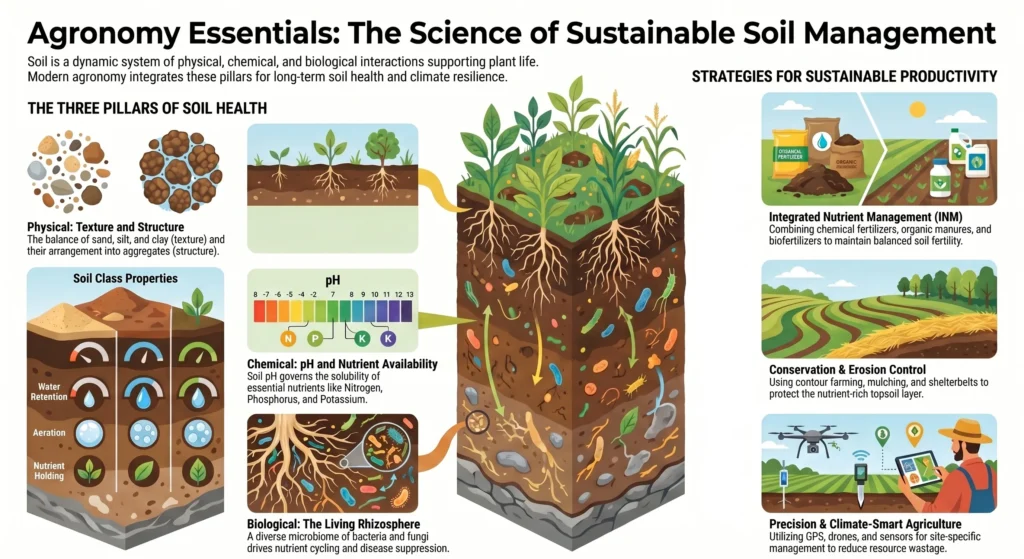
Applied Soil Science and Agronomy is a comprehensive academic resource designed to provide an in-depth understanding of modern agricultural science, soil management, crop production, and sustainable farming systems. The book integrates the fundamental principles of agronomy with emerging advancements in soil science, climate-smart agriculture, precision farming, and integrated resource management. It has been carefully structured to serve the needs of undergraduate and postgraduate students, researchers, agricultural professionals, extension workers, and competitive examination aspirants seeking both conceptual clarity and practical knowledge in agricultural sciences.
The book begins with the fundamentals of agronomy and traces the historical evolution of agricultural systems while emphasizing the significance of sustainable food production in the present global scenario. It discusses the role of agronomy in ensuring food security, improving productivity, and addressing the challenges posed by increasing population pressure and environmental degradation. The text further explores soil fertility, nutrient dynamics, and plant nutrition management, highlighting the importance of balanced nutrient supply and efficient soil management practices for sustainable crop production.
Special emphasis has been given to soil chemical properties, soil quality assessment, and the influence of salinity, sodicity, and organic matter dynamics on agricultural productivity. The book also addresses one of the most critical global concerns—climate change—and its impact on agriculture. It presents scientifically proven adaptation and mitigation strategies, climate-resilient farming practices, and the development of climate-smart agricultural systems that can sustain productivity under changing environmental conditions.
In addition, the book provides detailed insights into crop stress physiology and management by discussing both biotic and abiotic stresses affecting crop growth and yield. Practical agronomic approaches for managing drought, salinity, heat stress, and waterlogging have been elaborated with a focus on enhancing crop resilience and productivity. The concepts of agricultural meteorology and weather-based farm planning are also included to help readers understand the interaction between climate and crop growth for better agricultural decision-making.
The later chapters focus on sustainable agriculture, conservation farming, organic agriculture, integrated farming systems, and modern precision agriculture technologies such as GIS, GPS, remote sensing, automation, and digital agriculture. These chapters highlight the importance of resource conservation, ecological balance, and technological innovations in achieving efficient and environmentally sustainable farming systems. The final section of the book deals with crop production technologies and diversified cropping systems for cereals, pulses, oilseeds, and forage crops, thereby offering practical guidance for modern crop management.
Overall, this book bridges the gap between theoretical knowledge and field-level applications. With its systematic organization, updated scientific content, and practical orientation, Applied Soil Science and Agronomy serves as a valuable reference for academic learning, agricultural research, sustainable farming practices, and professional development in the field of agriculture.
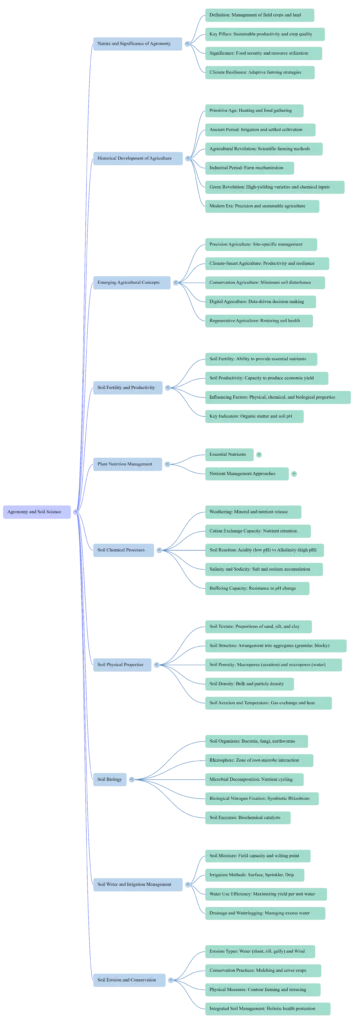
BOOK MAP
CHAPTERS
Chapter 1: Fundamentals of Agronomy and Contemporary Agriculture
This chapter introduces the core concepts, principles, and significance of agronomy in modern agriculture. It discusses the evolution of agricultural systems, global food sustainability, and emerging trends shaping the future of farming practices.
Chapter 2: Soil Productivity and Plant Nutrition Management
The chapter explains soil fertility, nutrient dynamics, and the role of macro and micronutrients in plant growth. It also highlights integrated nutrient management approaches and techniques for evaluating soil productivity and nutrient status.
Chapter 3: Soil Chemical Properties and Soil Quality
This chapter focuses on soil chemical characteristics such as pH, salinity, sodicity, and nutrient interactions. It further explains soil organic matter dynamics and methods for maintaining and improving soil quality for sustainable agriculture.
Chapter 4: Agricultural Sustainability under Climate Change
The chapter examines the effects of climate variability and greenhouse gas emissions on agriculture. It also discusses climate adaptation, mitigation strategies, and the development of climate-smart and resilient farming systems.
Chapter 5: Crop Stress Physiology and Management
This chapter deals with biotic and abiotic stresses affecting crops, including drought, heat, salinity, and waterlogging. It explains physiological crop responses and practical agronomic measures for improving stress tolerance and crop productivity.
Chapter 6: Agricultural Meteorology and Farm Planning
The chapter highlights the importance of weather and climate in agricultural production. It covers weather forecasting, crop-weather interactions, and the application of meteorological information for effective farm planning and management.
Chapter 7: Conservation Practices and Sustainable Farming
This chapter discusses conservation agriculture, soil and water conservation techniques, and sustainable resource utilization. It emphasizes ecological balance and environmentally friendly farming approaches for long-term agricultural sustainability.
Chapter 8: Organic Agriculture and Integrated Farming Approaches
The chapter introduces the principles of organic farming, organic nutrient management, and biological pest control methods. It also explores integrated farming systems and recycling-based agricultural resource management practices.
Chapter 9: Precision Agriculture and Advanced Farm Technologies
This chapter explains modern technologies used in precision farming, including GIS, GPS, remote sensing, automation, and smart agricultural systems. It highlights the role of digital innovations in improving agricultural efficiency and productivity.
Chapter 10: Crop Production and Cropping Systems
The final chapter covers production technologies for cereals, pulses, oilseeds, and forage crops. It also explains cropping patterns, diversification strategies, and modern crop management practices for sustainable agricultural production.